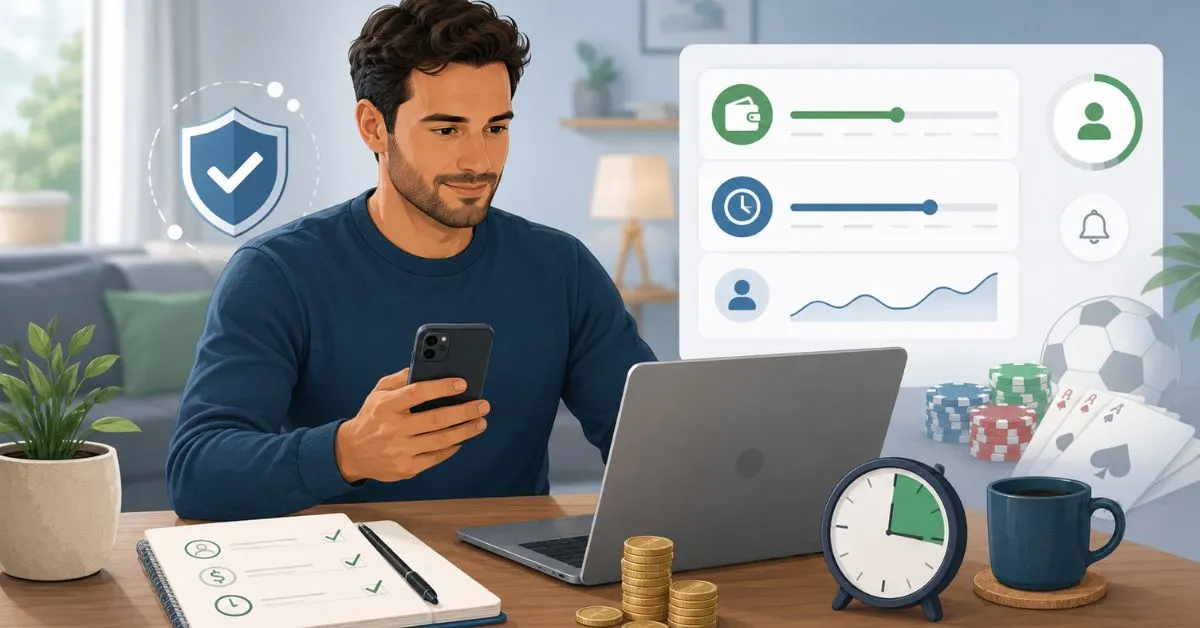
Responsible Gaming: A Practical Guide to Staying Safe and in Control
Gambling can be an enjoyable activity for many adults when it is approached with clear limits and realistic expectations. However, it also carries risks, especially when it starts to affect money, relationships, mental health, or daily responsibilities.
Responsible gaming is about making informed choices, understanding the risks, and knowing when to take a break. It also means recognising when gambling is no longer just entertainment and taking steps to protect yourself or someone you care about.
What Does Responsible Gaming Mean?
Responsible gaming means gambling in a way that remains safe, affordable, and controlled. It involves setting boundaries before you play, being honest about your habits, and understanding that gambling outcomes are based on chance.
The purpose of gambling should be entertainment, not income. No bet, casino game, lottery ticket, or online slot should ever be treated as a reliable way to make money.
Gambling Should Have Limits
A healthy approach to gambling starts with limits. These limits should apply to both money and time.
Before gambling, decide how much you can afford to spend and how long you plan to play. Once either limit is reached, stop. Responsible gaming becomes much harder when decisions are made in the moment, especially after a loss or during a winning streak.
Losing Is Always Possible
Every form of gambling involves risk. Even if a game appears simple or familiar, the outcome is never guaranteed.
Accepting the possibility of losing before you play can help prevent emotional decisions, such as chasing losses or placing larger bets than planned.
Safer Gambling Tips
There are practical steps that can reduce the risk of gambling harm. These habits are useful for anyone who chooses to gamble, whether occasionally or regularly.
Only Gamble with Money You Can Afford to Lose
Never gamble with money needed for rent, bills, groceries, debt repayments, savings, or family commitments. Gambling should come from a separate entertainment budget.
If losing the money would cause stress or financial difficulty, it should not be used for gambling.
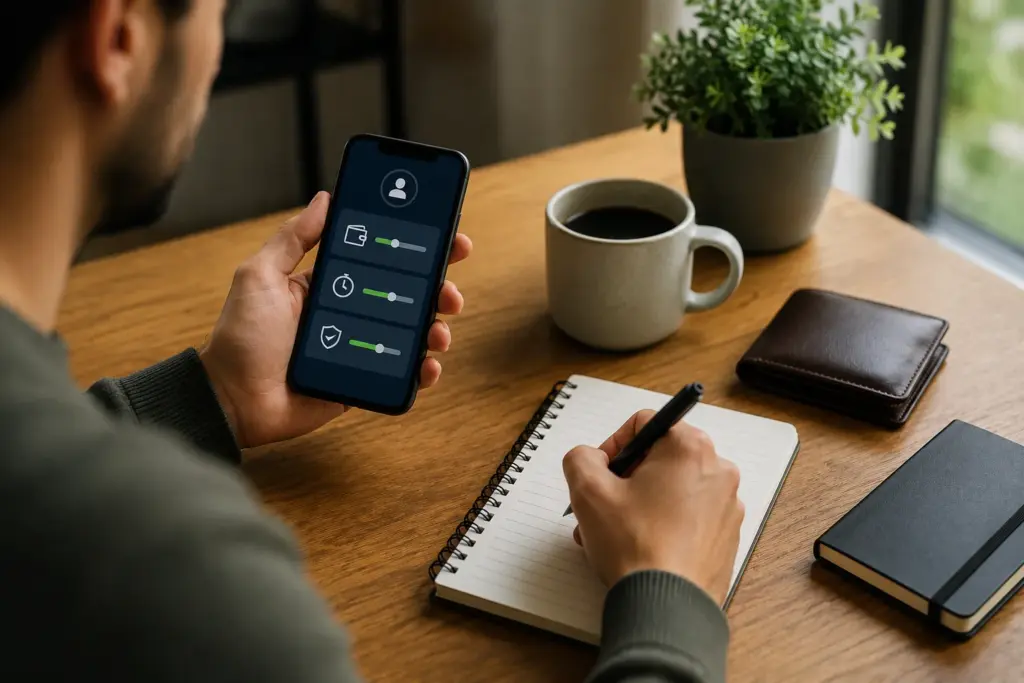
Set Deposit, Loss, and Time Limits
Many gambling websites allow customers to set account limits. These may include daily, weekly, or monthly deposit limits, loss limits, wager limits, and session reminders.
Setting limits in advance can help prevent impulsive decisions and make it easier to stick to a safer gambling plan.
Take Regular Breaks
Long gambling sessions can make it harder to think clearly. Taking breaks helps you step back, review your spending, and decide whether you still feel in control.
If gambling starts to feel repetitive, rushed, or emotionally driven, it is a good time to stop.
Do Not Chase Losses
Chasing losses is one of the clearest signs that gambling is becoming risky. It happens when someone continues gambling to try to win back money they have lost.
This often leads to larger losses and more pressure. A lost bet or losing session should be treated as final, not as something that must be recovered.
Avoid Gambling When Upset or Stressed
Gambling while angry, anxious, lonely, bored, or under pressure can increase the risk of harmful behaviour. It can also become a way to escape difficult feelings.
If you are gambling to change your mood rather than for entertainment, consider taking a break and speaking to someone you trust.
Tools That Can Help You Stay in Control
Responsible gaming tools are designed to help people manage their gambling habits. They can be useful even before gambling becomes a serious problem.
Reality Checks
Reality checks are reminders that show how long you have been gambling. They can help you notice when a session has lasted longer than expected.
Time-Outs
A time-out lets you temporarily block access to a gambling account. This can be helpful if you feel you need a short break to reset your habits.
Self-Exclusion
Self-exclusion is a stronger option for people who want to stop gambling for a longer period. It prevents access to gambling accounts or venues for a chosen length of time.
In the UK, GamStop is a free self-exclusion scheme that allows people to restrict access to gambling websites and apps licensed in Great Britain. For anyone who feels unable to control their online gambling, using GamStop can be an important protective step.
Bank Gambling Blocks
Some banks offer gambling transaction blocks. These can stop payments to gambling operators and make it harder to gamble impulsively.
Combining bank blocks with self-exclusion tools can provide an extra layer of protection.
Signs Gambling May Be Becoming a Problem
Gambling harm can develop gradually. It may not always be obvious at first, especially if someone hides their behaviour or believes they can regain control later.
Behavioural Warning Signs
A person may be experiencing gambling problems if they:
- Spend more time or money gambling than intended
- Hide gambling activity from others
- Borrow money to gamble
- Chase losses after a bad session
- Feel restless or irritated when trying to stop
- Miss work, studies, or family commitments because of gambling
- Open multiple gambling accounts
- Use gambling as an escape from stress or emotional pain
Emotional Warning Signs
Problem gambling can also affect mental health. Some people feel guilt, shame, anxiety, anger, or hopelessness after gambling.
These feelings may lead to more gambling as a way to escape, creating a harmful cycle that becomes harder to break without support.
Financial Warning Signs
Financial problems are often one of the most visible signs of gambling harm. These may include unpaid bills, maxed-out credit cards, payday loans, overdrafts, or unexplained money shortages.
If gambling is creating debt or financial secrecy, it is important to seek help as early as possible.
How to Get Help for Gambling Problems
Support is available for anyone affected by gambling harm. You do not need to wait until the situation becomes severe before asking for help.
Speak to Someone You Trust
Talking openly can be a powerful first step. Choose someone who is likely to listen calmly, such as a friend, family member, partner, doctor, counsellor, or support worker.
Being honest about gambling can reduce secrecy and make recovery feel more manageable.
Contact a Gambling Support Service
Many countries have confidential gambling helplines, treatment services, and charities that support people affected by gambling harm.
Support may include live chat, phone advice, counselling, practical recovery plans, and help for family members.
Use Blocking Software
Blocking software can restrict access to gambling websites and apps. This can be especially helpful when combined with self-exclusion and bank gambling blocks.
Consider Professional Counselling
A counsellor or therapist can help identify gambling triggers, manage urges, and deal with stress, anxiety, depression, or other issues linked to gambling behaviour.
Professional support can also help people rebuild trust, manage debt, and create healthier routines.
How to Help Someone with a Gambling Problem
Watching someone struggle with gambling can be upsetting and frustrating. It is natural to want to help, but the right support should encourage recovery without enabling further harm.
Choose the Right Time to Talk
Try to speak when things are calm. Avoid starting the conversation during an argument, immediately after a loss, or when the person is defensive.
Use a caring tone and focus on what you have noticed. For example, you might say, “I’m worried gambling is causing you stress, and I want to support you.”
Avoid Blame and Judgement
Shame often makes gambling problems harder to discuss. Accusations may cause the person to withdraw or hide their behaviour more carefully.
Focus on concern, support, and practical next steps rather than criticism.
Encourage Support and Self-Exclusion
You can encourage the person to contact a gambling support service, speak to a professional, use blocking tools, or register with a self-exclusion scheme such as GamStop if they are in the UK.
Offer to help them find information or sit with them while they take the first step, but avoid forcing decisions.
Set Clear Financial Boundaries
It is usually not helpful to lend money, pay gambling debts repeatedly, or give access to shared finances without safeguards.
Boundaries protect both you and the person affected. You can be supportive while still saying no to requests that may enable further gambling.
Look After Your Own Wellbeing
Gambling harm can affect partners, relatives, and friends too. If someone else’s gambling is causing stress, debt, conflict, or emotional pressure, consider seeking support for yourself.
You do not have to manage the situation alone.
Building Healthier Habits
Recovery from harmful gambling often involves replacing gambling with healthier routines and support systems.
Identify Triggers
Common gambling triggers include payday, boredom, loneliness, alcohol, sports events, stress, arguments, and access to betting apps.
Once triggers are identified, it becomes easier to plan safer responses.
Create Alternative Activities
Having other activities ready can reduce the urge to gamble. Exercise, hobbies, social plans, volunteering, learning new skills, or spending time outdoors can all help fill the gap.
The goal is not only to stop gambling, but to create a more balanced lifestyle.
Review Progress Regularly
Responsible gaming is not a one-time decision. It requires regular reflection.
Ask yourself whether gambling still feels enjoyable, whether you are sticking to your limits, and whether it is affecting any part of your life. If the answer raises concern, take action early.
Conclusion
Responsible gaming is about control, awareness, and protection. Gambling should never come before personal wellbeing, financial security, or relationships.
Setting limits, taking breaks, using safety tools, and seeking help when needed can reduce the risk of harm. For those who feel gambling is becoming difficult to manage, support options such as counselling, blocking tools and bank gambling blocks can provide valuable protection.
If gambling is no longer enjoyable or feels hard to stop, reaching out for help is a positive and important step.